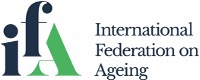
Advancing a common adult respiratory vaccination schedule as a mechanism to improve adult vaccination rates
In Europe, in 2024, individuals aged 65 and older were among the most at-risk for infection and experienced severe outcomes, including hospitalization, intensive care unit (ICU) admission, and deaths, at a higher degree for three respiratory diseases: respiratory syncytial virus (RSV), COVID-19 and influenza. However, immunization programs in many countries have traditionally prioritized pediatric populations, with less emphasis on consistent and comprehensive vaccination strategies for older adults.
Ensuring vaccine uptake is essential to reduce the burden of preventable disease, improve outcomes for older populations, and strengthen the resilience and sustainability of health systems across the region. Accordingly, the International Federation on Ageing (IFA) aimed to examine the adoption of a common vaccination schedule within a national health system as a strategic approach to improving adult vaccination rates. This approach involves aligning eligibility criteria, timing, and administration guidelines across regions and healthcare programs within a health system.
The overarching objective of this work is to inform government policy by comprehensively exploring and identifying the key benefits, critical challenges, and barriers, to integrate a common vaccination schedule in European countries.
IFA acknowledges support from GSK and Sanofi Pasteur for Vaccines4Life through unrestricted educational grants and is proud to be part of the Vaccines Safety Net (VSN) Database.



Contact us
Telephone: +1 (416) 342-1655
Fax: +1 (416) 639-2165
1 Bridgepoint Drive, Suite G.238
Toronto, Ontario
Canada
M4M2B5
© 2026 International Federation on Ageing. All rights reserved.
Website design by: